Online Marketing
By Manon Hoefman
How Do You Still Create Genuine Human Connection?
As an online marketer in the real estate market of Curaçao, I’ve seen social media fundamentally change over the past few years. What once started as a social, interactive environment has evolved into a tightly regulated, highly automated ecosystem. Reach, visibility, and engagement are now largely dictated by algorithms and AI. As a result, the room for meaningful, strategic marketing feels smaller than ever.
This leads to a question that has become increasingly urgent for me: "What is still a realistic and sustainable way to turn visibility and content value into high-quality prospects today?"
For years, social media could be actively steered. Smart use of timing, interaction, shares, and comments allowed content to gain momentum and grow. It required insight into human behavior and psychology — but it worked. That playing field has largely disappeared. With the rise of AI, platforms have become not only smarter, but also more restrictive. Visual formats are automatically optimized, interaction options are reduced, and behavior that deviates from the norm is actively suppressed.
What personally creates friction for me is that marketing is becoming less and less human. Nuance, timing, and experience — long the core of effective communication — are losing relevance. AI responds to data, not to context or emotion.
At the same time, Meta’s platforms are changing at a content level as well. Due to the way feeds are curated and content is redistributed; large parts of our core target audience have disengaged. In my direct environment, Facebook is simply no longer a relevant channel for many users.
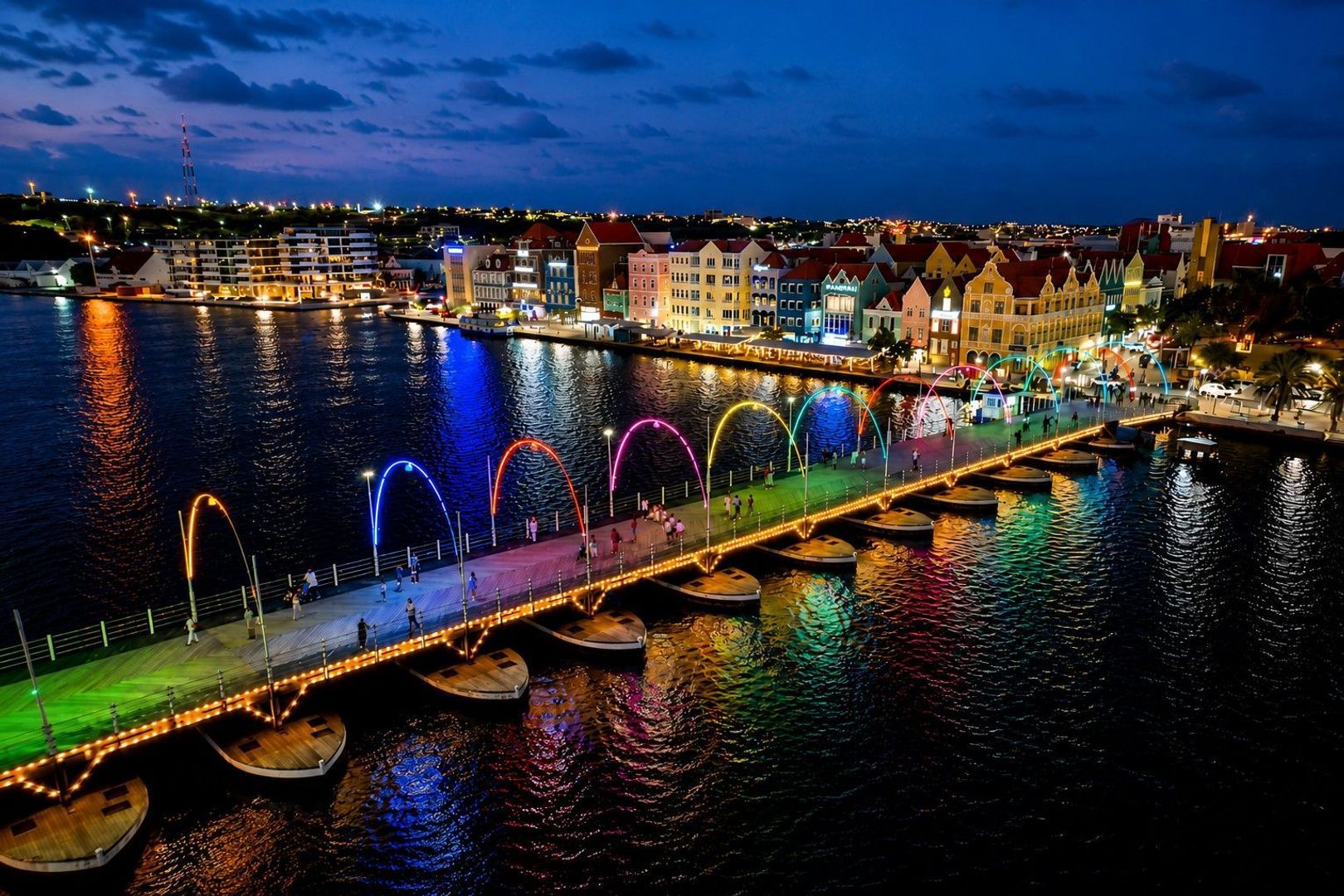
Curaçao presents a slightly more nuanced picture. Facebook still serves a clear social and informational function here. Government institutions, utility companies like Aqualectra, and other organizations continue to use the platform for public communication. Yet even locally, organic visibility is structurally under pressure as feeds become increasingly controlled.
Instagram feels even less aligned with my approach. Business-driven and informational content tends to get lost. Linking options are limited, sharing requires active tagging, and the platform’s visual language has shifted from photography to short, highly formatted video optimized primarily for algorithms. Instagram increasingly resembles a “TikTok for adults” — a direction that conflicts with a professional, content-driven marketing strategy.
This tension is closely tied to how I personally view marketing. I’ve worked as a marketer for 22 years, more than 15 of them in online marketing. I’ve closely followed — and adapted to — every major shift in social media and digital strategy. But we’ve reached a point where the dominant logic of many platforms and campaigns runs counter to my vision.
Over-the-top videos, inflated sales messaging, or agents literally jumping through properties are not aligned with who I am. Not because they don’t work — others prove they can — but because they don’t fit my style or my understanding of how people make decisions. I believe people don’t want to be persuaded; they want to understand and feel confident.
Especially in real estate. A home is not an impulse purchase. Buyers orient themselves, return multiple times, compare options, and decide later — based on insight and trust. That’s why I strongly believe in consistency, informational value, and a clear, professional online identity. For me, that outweighs short-term visibility or viral reach.
From that perspective, brand building makes more sense than direct sales, and SEO feels more relevant than advertising. When someone decides to buy or sell a property, they actively start searching. At that moment, you need to be visible. Marketing should have done its work long before that point.
But visibility alone isn’t enough. The real challenge lies in translating that visibility into trust — and ultimately into tangible leads — especially within a relatively small and specific market like Curaçao.
All things considered, social media isn’t dead. But it has lost its sense of inevitability. The social aspect has largely faded, while automation has taken over.
Which brings me back to the core question: How can you still convert visibility and trust into real results — in a truly human-centered way — in today’s digital landscape?