Between Asking Price and Market Reality
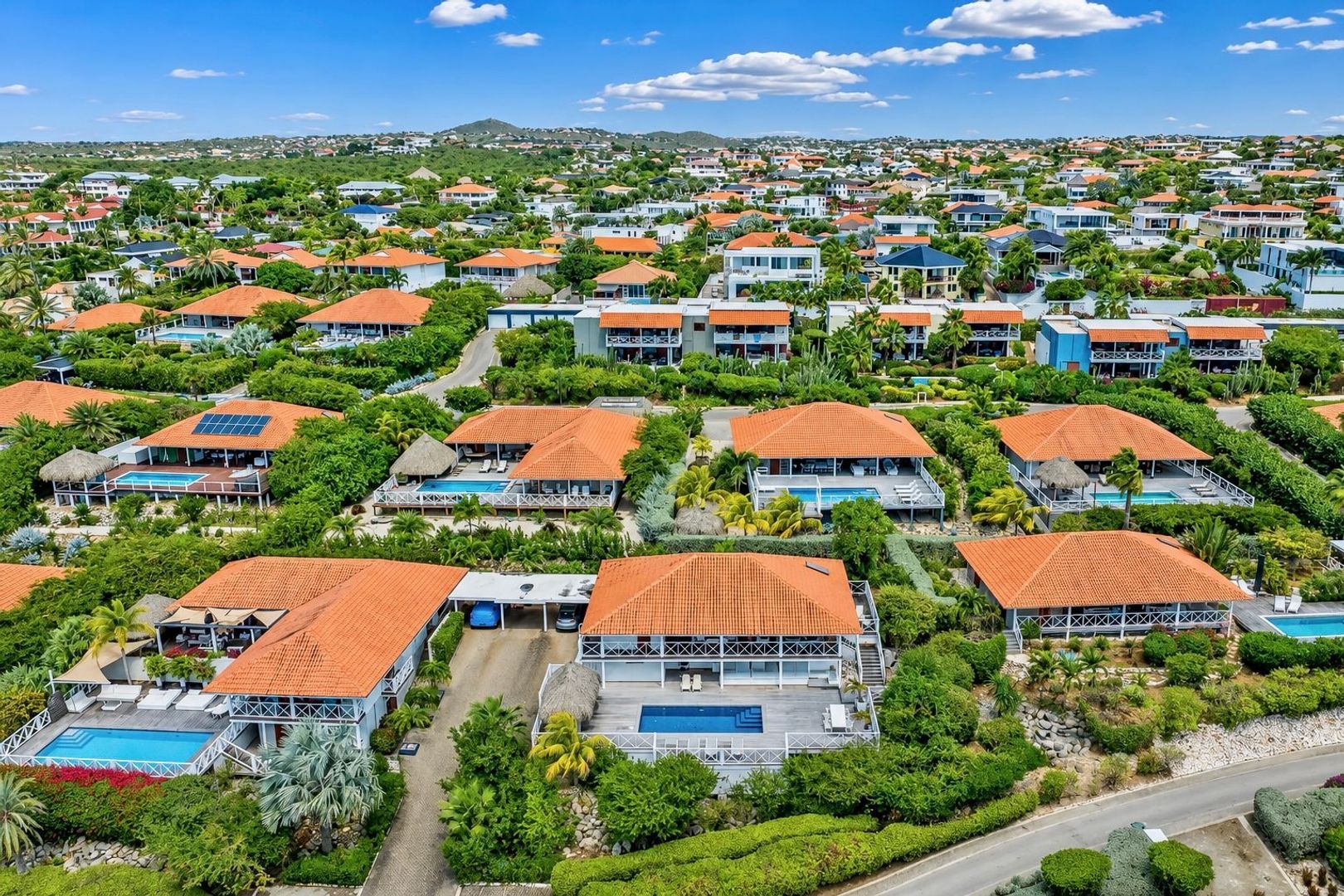
Why some homes in Curaçao remain on the market for months, while others sell within a week.
Anyone following Curaçao’s residential real estate market will notice a clear contrast. Some properties go under contract within days, while others remain listed for months without meaningful activity. In most cases, this has little to do with the quality of the property itself. More often, multiple factors influence a property’s time on market, including pricing strategy, location, condition, presentation, and buyer profile.
At Wigbold Real Estate, we consistently see that successful transactions occur when the property, asking price, and market expectations, are properly aligned.
Asking Price and Market Expectations
One of the most significant factors is the relationship between asking price and actual market value. Compared to markets such as the Netherlands or the United States, Curaçao offers less transparency when it comes to closed sales data. Sellers primarily see active listing prices online, while final transaction values are often not publicly available. As a result, pricing expectations can easily become distorted.
Emotional value also plays a role. Homes that have been owned by the same family for many years often carry personal significance beyond the physical asset itself. However, sentimental value does not automatically translate into current market value.
At the same time, buyers actively compare listings across the island. When pricing does not clearly align with location, level of finish, amenities, or overall positioning, buyer interest tends to decline quickly.
Curaçao’s Market Serves Multiple Buyer Segments
Curaçao’s real estate market is also less uniform than many assume. Local buyers, international investors, second-home purchasers, and relocating residents often search for very different types of properties and approach the market with different expectations.
As a result, some homes become positioned between buyer segments. Certain properties may be priced above what the local market can realistically support, while at the same time lacking the features international buyers typically prioritize, such as resort amenities, strong rental potential, turnkey condition, or premium views.
Practical considerations also carry substantial weight. International buyers frequently evaluate maintenance costs, security, prevailing wind exposure, utility expenses, and long-term operating costs before making a purchasing decision. In a tropical climate, these factors directly affect both daily comfort and ongoing ownership expenses.
Property Condition and Presentation Matter
On Curaçao, maintenance often plays a larger role than sellers initially anticipate. Constant exposure to sun, salt air, humidity, and wind accelerates wear and tear, making deferred maintenance more noticeable to prospective buyers. Particular attention is typically paid to roofing, exterior painting, windows, technical systems, and air conditioning.
In addition, nearly every property search now begins online. Professional photography and clear presentation have therefore become essential components of the sales process. Poor lighting, dated interiors, cluttered spaces, or incomplete listing information can significantly reduce buyer engagement before a showing is ever scheduled.
This effect is especially pronounced on Curaçao because a substantial portion of the buyer pool originates internationally. For many prospective buyers, an online listing serves as the first — and sometimes only — introduction to a property.
Livability Often Determines Buyer Interest
What appears attractive on paper does not always translate into the best living experience. On Curaçao, factors such as wind exposure, natural ventilation, sun orientation, and outdoor usability often influence buyer decisions more heavily than foreign purchasers initially expect.
A home with impressive views but limited airflow may ultimately feel less comfortable than a simpler property positioned more favorably to benefit from the island’s trade winds. This type of local market knowledge frequently explains why some homes generate immediate interest while others remain active for extended periods.
Ultimately, the speed at which a property sells reflects not only the home itself, but the degree to which pricing, presentation, condition, and buyer expectations are aligned with the realities of the market.