Punda – Willemstad, Curaçao - Part 3
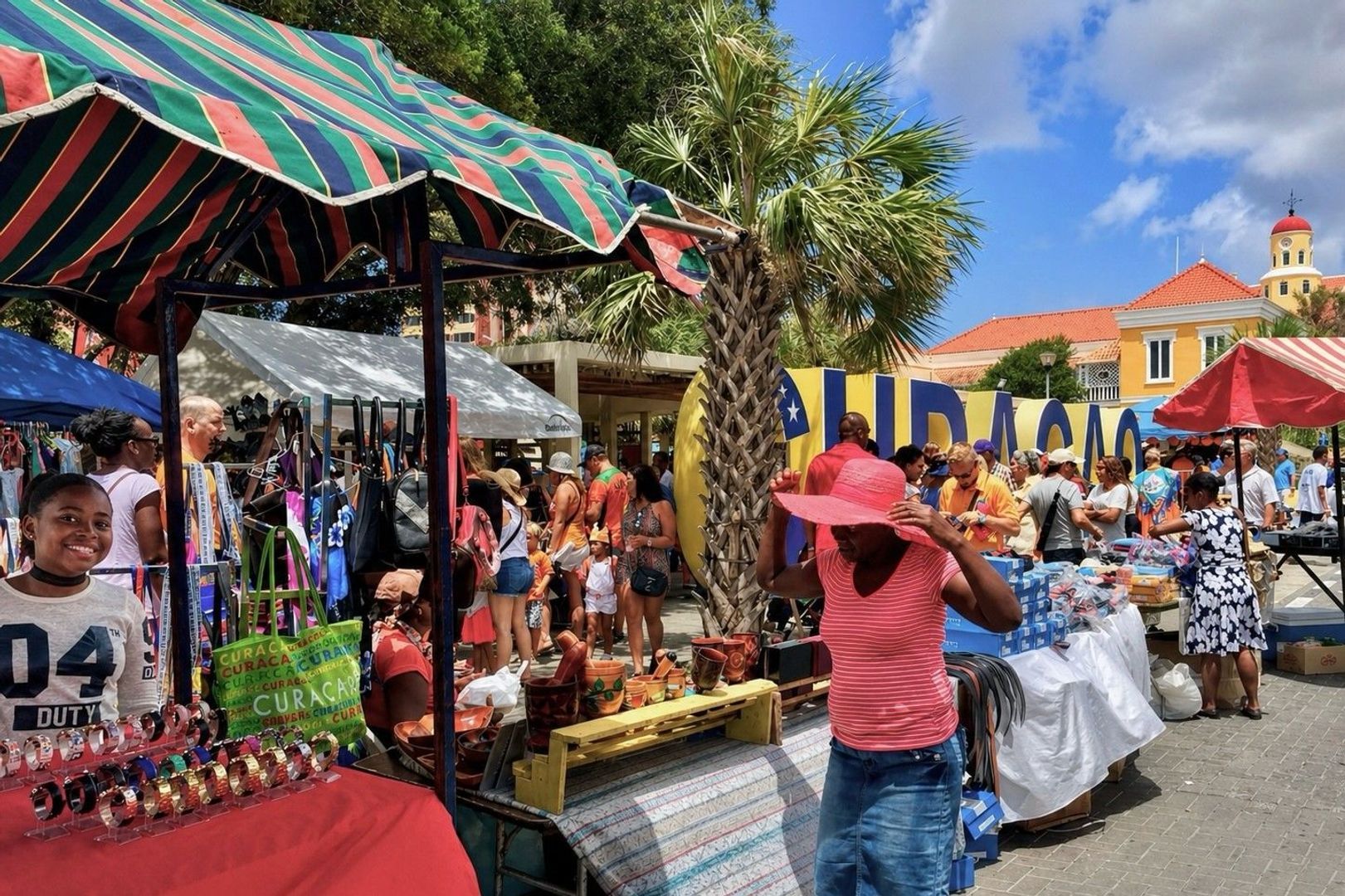
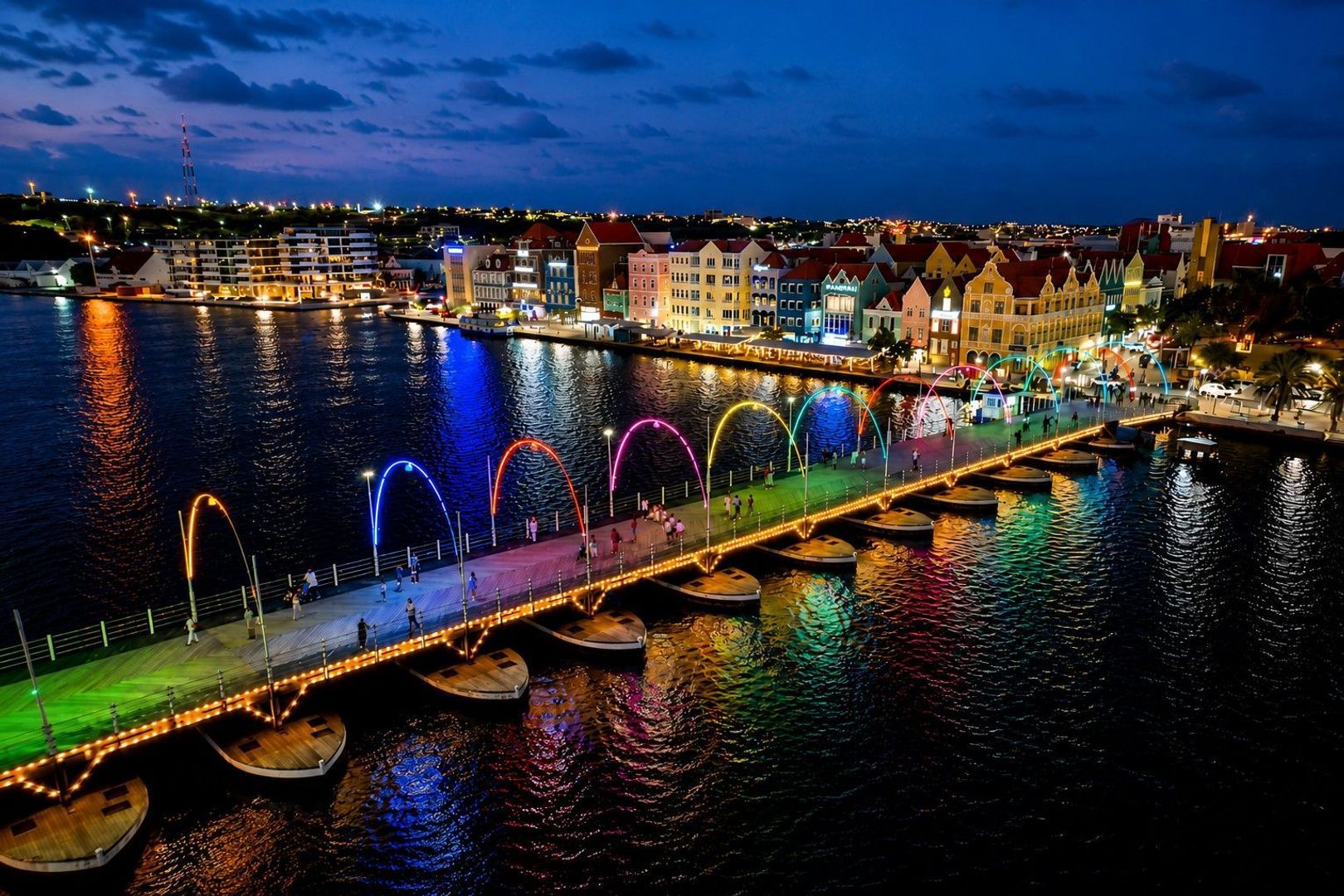
During King’s Day, Punda once again demonstrated its role as the civic heart of Willemstad. Thousands of visitors moved through the city center for events, dining, and public festivities. Days like these underscore the appeal of the historic core, while also highlighting the pressure intensive use places on public space, accessibility, and essential services. In this third installment of our series, we focus on infrastructure and urban capacity in Punda.
Growth Within Historic Constraints
Policy discussions increasingly link Punda’s future to growth: more visitors, greater economic activity, more events, and over time, potentially more residents. At the same time, that ambition raises a fundamental question: to what extent was the historic district designed to support the intensity of use it experiences today?
Punda’s urban fabric was largely shaped in another era, defined by narrow streets, compact blocks, and limited capacity for modern traffic patterns. That historic layout is central to the district’s character, but it also creates natural constraints on further densification and intensification. This tension is playing a growing role in urban planning discussions in Willemstad. Growth in a protected historic district requires investment not only in buildings, but also in the systems that support the area on a daily basis.
Infrastructure Under Pressure
A key part of that discussion concerns underlying infrastructure. In older urban cores, foundational systems — from sewer networks to utility infrastructure — often evolved incrementally and were not necessarily designed for current-day demand. In Willemstad as well, planning frameworks increasingly point to maintenance, climate resilience, and upgrades to essential services as prerequisites for future development.
This leads directly to the question of how additional growth can be accommodated. More hospitality, more visitors, and increased residential use typically place higher demands on drainage, power supply, waste management, and public realm infrastructure. Without structural modernization, the area’s carrying capacity can come under pressure. In that sense, infrastructure is not merely a technical issue, but a broader urban and economic consideration.
Mobility and Accessibility
Beyond utilities, mobility remains a central component of the discussion. Punda has long dealt with limited parking supply and complex traffic flows, particularly during peak periods. That affects residents, businesses, visitors, and service logistics alike. In policy discussions around the city center, accessibility is increasingly tied to long-term growth. Without solutions for parking, traffic circulation, and alternative mobility options, further intensification may place additional strain on an area with limited room for physical expansion.
Compounding this is the fact that historic city centers are often difficult to retrofit. While infrastructure in newer districts can be expanded relatively easily, interventions in a heritage environment require far more careful consideration. For that reason, mobility in Punda is not simply a transportation issue, but a long-term urban planning challenge.
The Carrying Capacity of the Historic Core
Ultimately, the central question is not only how much growth is desirable, but how much growth the district can sustainably absorb. That relates directly to the concept of carrying capacity: the balance between economic activity, livability, heritage preservation, and infrastructure performance.
The city center vision toward 2035 and 2045 places strong emphasis on a more vibrant and economically resilient urban core. At the same time, that ambition makes investment in management, coordination, and public infrastructure increasingly critical. For Punda, the challenge therefore extends beyond restoration or redevelopment alone.
The question is not simply how to make the district more attractive, but how to preserve historic quality while usage intensity continues to grow. That is where infrastructure emerges as a defining factor in the area’s future — not as a secondary issue, but as a foundation for the continued evolution of the historic city center.
Source: qracao.com – City Centre Vision Document