Punda - Willemstad, Curaçao - Part 2
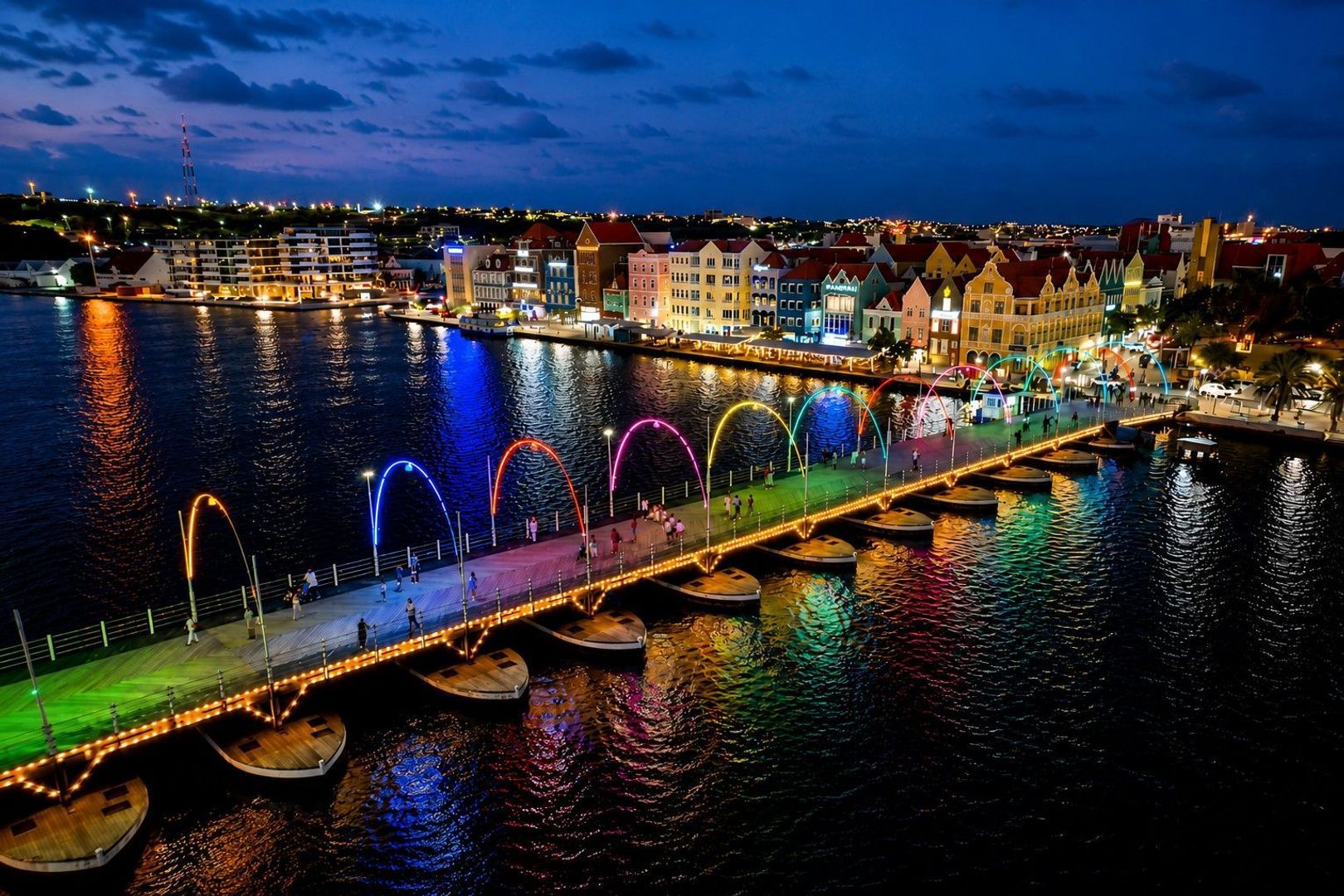
Punda is the historic heart of Willemstad and forms an essential part of the UNESCO World Heritage site. The iconic waterfront façades along Handelskade largely define Curaçao’s international image. Behind this well-known streetscape, however, the district also faces challenges related to vacancy, building maintenance, infrastructure, and urban development.
In this series, we will focus on Punda on a monthly basis over the coming year. We will provide news, background information and factual insights about the historic city centre while monitoring developments that affect the area.
Residential use in the historic centre
Although Punda attracts a large number of visitors on a daily basis, the number of people who actually live in the district remains relatively limited. Most buildings in the area have a commercial function on the ground floor, while the upper levels are often vacant or only partially used. Historically, these upper floors were intended as residential space, frequently occupied by the business owners operating shops or offices on the ground level.
Over time, this traditional combination of living and working has largely disappeared. As a result, parts of the city centre tend to become noticeably quieter after business hours than would typically be expected in a mixed-use urban environment. Several government policy documents therefore emphasize that strengthening the residential function could contribute to increased activity and greater social presence during evening hours.
According to the recently published vision document for the city centre towards 2035, Willemstad aims to develop into a greener and more vibrant urban core. Encouraging residential occupancy in areas such as Punda is explicitly mentioned as a way to restore the district as a functioning daily living environment.
Why upper floors often remain vacant
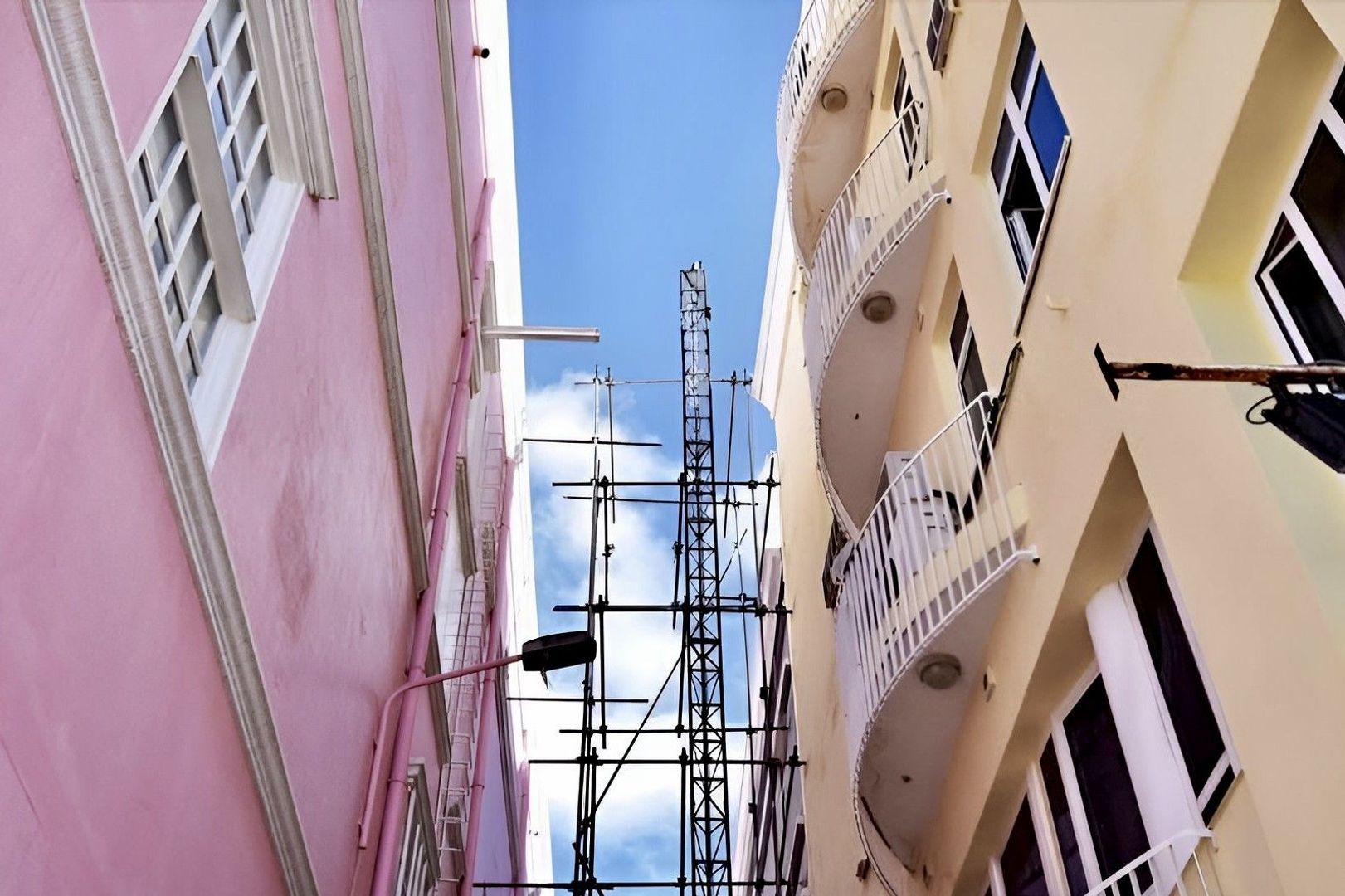
In practice, the reuse of upper floors is often more complex than it appears. Many of Punda’s historic buildings are several centuries old and were constructed using building methods that do not always align easily with modern residential standards. Electrical, plumbing and drainage systems frequently require complete replacement before upper floors can be made suitable for residential use.
Accessibility and safety considerations can also play a role. Some buildings have narrow staircases, limited emergency exits or shared entrances with commercial premises on the ground floor. These factors can complicate the independent use of upper levels as residential units.
Legal and regulatory aspects are another important factor. A large portion of Punda falls within the UNESCO World Heritage zone of Willemstad, which means strict regulations apply to alterations and redevelopment. Changes to façades, structural elements or historical features typically require approval from heritage authorities. This approval process can be time-consuming and sets clear boundaries on what types of modifications are permitted.
Restoration and cost structure
The restoration of historic properties also involves a specific cost structure. Materials and construction techniques often need to match the original architectural character of the building. This may include the use of traditional timber structures, lime plaster finishes or specific roofing materials consistent with historic construction methods.
In addition, renovation projects frequently uncover hidden structural issues, such as wood deterioration, foundation problems or outdated building systems. As a result, restoration projects can become more expensive and take longer than initially anticipated.
At the same time, restoration is widely regarded as a key condition for the long-term future of the historic city centre. The city centre vision document anticipates that by 2035 more historic buildings will have been restored and that vacancy levels will gradually decline. By reactivating currently unused spaces, the city centre could evolve into a district where residential use, commercial activity and tourism coexist.
Balancing residential use and tourism
Current development plans for Willemstad place a strong emphasis on economic growth, tourism and cultural activity. Additional restaurants, hotels and events are expected to contribute to a more vibrant urban environment. At the same time, this growth may also affect the residential function of the area.
The vision document notes that an increase in hotels and short-stay accommodations could place additional pressure on the local housing market in the city centre. As a result, living in Punda could become more limited and potentially more expensive. Finding a sustainable balance between tourism, entrepreneurship and permanent residency is therefore considered one of the key challenges for the coming decades.
If these plans materialize, the city centre is expected to evolve towards 2045 into a fully restored historic urban district where heritage preservation, economic activity and residential use are more effectively balanced. In that scenario, Punda would remain not only a major tourist destination but also a place where everyday urban life continues to take place.
Source: qracao.com - Visiedocument